Local SEO is not just about mentioning the city on your site or setting up a Google Business Profile (GBP). In 2026, Google’s algorithm for local search favors those companies that can provide an experience tailored to their location and to the intent of the users. This strategy is called Local SEO Hyper-Personalization and is very effective for showing up in Google Search, Google Maps, AI Overviews, and voice search queries at the time of user conversion.
This is relevant to any type of business whether you have a restaurant, dentist office, law firm, retail business, or home services company.
What Is Local SEO Hyper-Personalization?
Local SEO Hyper-Personalization is the act of making sure that your online profile caters to your exact locality. As opposed to doing general search optimization using phrases like “best coffee shop,” businesses focus on searches like “best coffee shop near Central Park open now.”
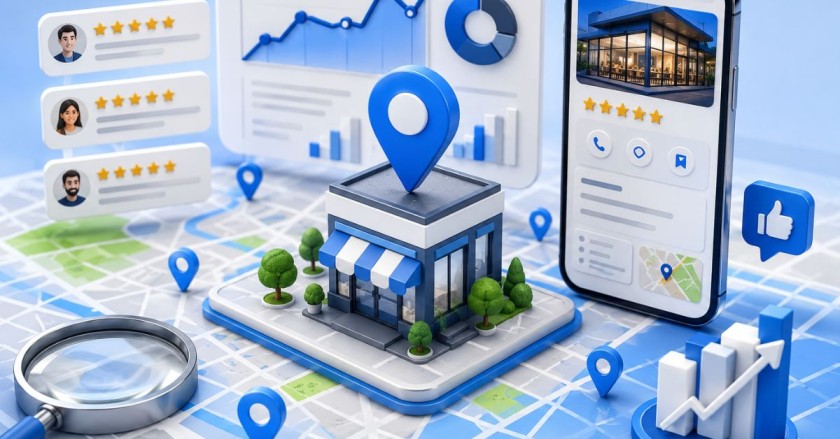
Google evaluates multiple local ranking signals, including:
- Relevance
- Distance (Proximity)
- Prominence
- Business Categories
- Customer Reviews
- NAP Consistency (Name, Address, Phone)
- Google Business Profile Completeness
- Local Content
- User Behavior Signals
These signals help Google determine which businesses deserve higher rankings in local search results.
Why Google Business Profile Matters More Than Ever
Your Google Business Profile is often the first interaction customers have with your business. A fully optimized profile improves trust, visibility, and engagement.
Key optimization tips include:
- Select the correct primary and secondary business categories.
- Keep your business name, address, phone number, and website accurate.
- Add high-quality images regularly.
- Publish Google Posts with updates and offers.
- Encourage genuine customer reviews and respond professionally.
- Add products, services, FAQs, and business attributes.
- Keep business hours updated, including holidays.
A complete profile sends stronger trust signals to Google and potential customers.
Understanding Location Intent
Location intent refers to searches where users are looking for businesses in a specific area.
Examples include:
- Dentist near me
- Best gym in Kochi
- Digital marketing agency in Dubai
- Car repair near Calicut
- Restaurant open now near me
Google utilizes the location of the individual as well as context while searching to serve up the most relevant local information. Those business who provide localized information and an optimized GBP stand more of a chance of getting noticed.
Strategies to Improve Local SEO
Create Location-Specific Landing Pages
If your business serves multiple cities, create unique pages for each location instead of duplicating content. Include local landmarks, customer testimonials, services, and FAQs relevant to that area.
Maintain NAP Consistency
Ensure your business name, address, and phone number are identical across your website, Google Business Profile, local directories, and social media platforms. Consistency strengthens your credibility.
Build High-Quality Local Citations
List your business on trusted local directories and industry-specific platforms. Accurate citations reinforce your business information and improve local rankings.
Earn Authentic Reviews
Positive reviews influence both rankings and customer decisions. Encourage satisfied customers to leave honest feedback and respond thoughtfully to every review.
Publish Local Content
Write blogs about local events, community news, seasonal trends, and location-specific guides. This demonstrates relevance and helps attract nearby customers searching for local information.
Common Local SEO Mistakes
Many businesses fail to achieve strong local rankings because they:
- Use inconsistent business information.
- Neglect their Google Business Profile.
- Ignore customer reviews.
- Publish duplicate location pages.
- Target overly broad keywords.
- Rarely update local content.
- Fail to optimize for mobile users.
Avoiding these mistakes creates a stronger foundation for long-term local visibility.
The Future of Local SEO
Artificial intelligence is changing the way local search happens. As time goes by, Google will start understanding the context, history, preferences, and intentions behind the searches done by users.
Local businesses that have great quality content, accurate business information, good review management, and optimize their Google Business Profile will have more chances of appearing in the new search interfaces made by artificial intelligence.
Conclusion
Local SEO Hyper-Personalization is not optional anymore. Businesses that have their Google My Business profile optimized along with location-based content, NAP consistency, legitimate customer reviews, and other local signals can greatly boost their online presence. By concentrating on user intent rather than keywords, you will establish a solid local presence that will attract qualified clients to your business.
Frequently Asked Questions
What is Local SEO Hyper-Personalization?
It is the process of improving your web presence by using location-based signals and content that aligns with user intent to increase visibility in local search engines.
Why is Google Business Profile important?
An optimized Google Business Profile boosts your visibility on Google Search and Google Maps, increasing the trust factor for customers.
What are local ranking factors?
The most important factors include relevance, proximity, prominence, NAP consistency, customer reviews, local citations, and Google Business Profile optimization.
How often should I update my Google Business Profile?
Regularly update business hours, photos, services, posts, and respond to reviews to keep your profile active and accurate.